
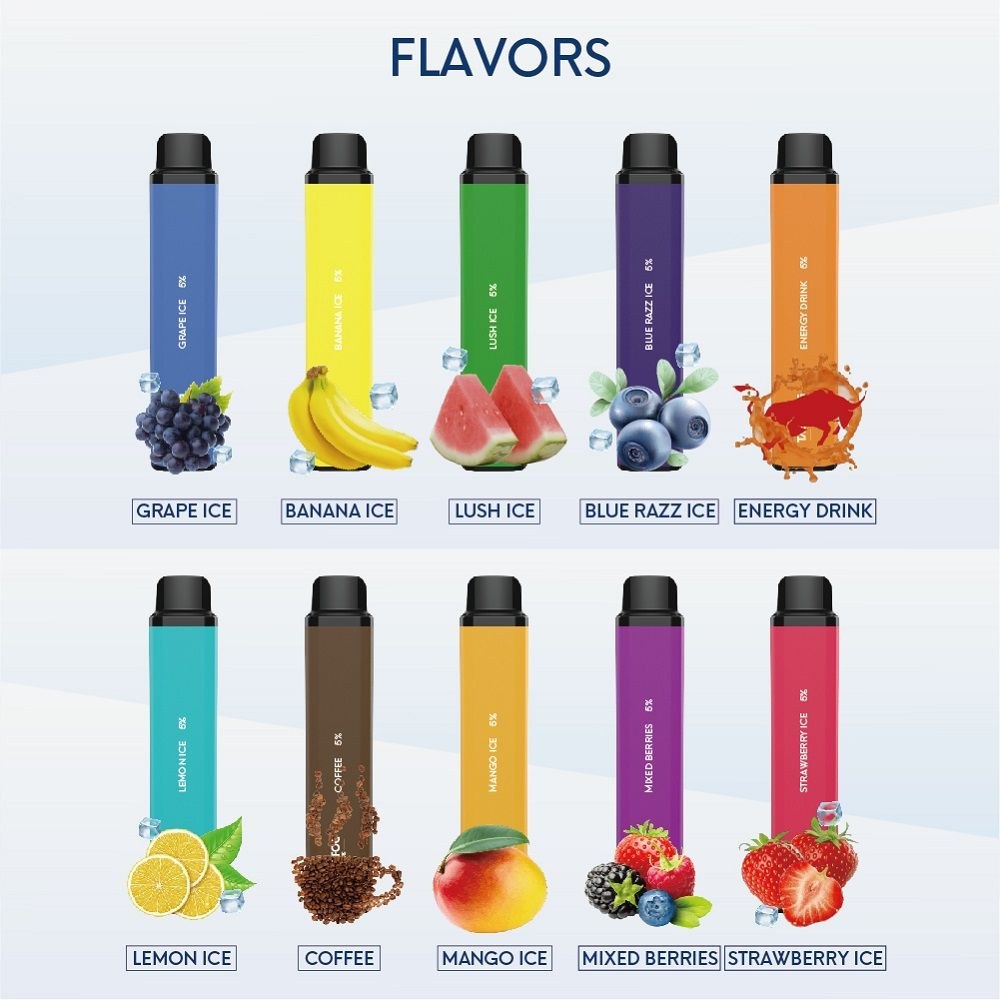
People often assume disposable e-cigarettes are just about convenience, a quick fix for someone on the move. That’s not the whole story. It’s actually a massive shift in how flavor profiles are engineered to create a psychological loop that keeps people coming back for the next brightly colored device.
These devices are designed to be unrecoverable. The flavor experience is a fleeting, high-intensity hit that vanishes the moment the battery or liquid runs out. You aren’t just buying a nicotine delivery system; you’re buying a hyper-sweet sensory event that’s almost impossible to replicate with traditional methods.
The market has shifted from tobacco-mimicking tastes to something much closer to a candy shop. It’s a fundamental change in the chemistry of why people reach for these things in the first place.
The Chemistry of Cravings and Flavor Profiles
If you look at the current market, the focus has moved entirely away from the sensation of smoking toward a purely culinary experience. We’re seeing flavors ranging from tropical fruit punches to creamy dessert notes that feel more like a snack than a nicotine product. This isn’t a coincidence.
The goal is to strip away the harshness of traditional nicotine and replace it with a smooth, syrupy delivery. If you use a device that tastes like heavy, artificial grape soda, your brain associates the nicotine hit with that specific sugar-coated sensation. It creates a much stronger mental link between the habit and a treat.
This relies on high-density sweeteners that coat the palate. Since the liquid is pre-filled and non-adjustable, the manufacturer controls every drop of flavor intensity. You can’t tone it down or adjust the airflow like you can with a more complex setup, so you get the full, unadulterated punch every single time you puff.
It’s an effective way to build a habit. Marcus, a guy I spoke to who used to use heavy menthols, told me he switched to these because he couldn’t get that same “pop” of flavor from his old gear. He felt like he was eating a gummy bear every time he took a pull. That sweetness became his main motivation.
When the flavor is that intense, the transition from a casual user to a heavy user happens fast. The flavor is the hook, and the nicotine is just the passenger.
The Convenience Trap and the Disposable Lifecycle
The main selling point is that you never have to think about them. You don’t refill tanks, clean coils, or worry about leaking liquid on your desk. You just buy a new one when the light stops blinking or the flavor turns sour.
This lack of maintenance is why the disposable model is so successful. It removes the friction of ownership. For many people, the “work” of owning a device is a barrier, so removing that makes the product much more accessible to a wider, often younger, demographic.
But this convenience has a hidden cost in waste. We’re seeing a massive influx of small, plastic-heavy items that are essentially single-use electronics. They contain lithium batteries, circuit boards, and plastics that don’t work with standard recycling programs. It’s a heavy price for a bit of ease.
Think about the volume of these items in cities like London or New York. You see them in every corner shop and gas station, right by the checkout counters. They are easy to grab, easy to use, and incredibly easy to throw away without a second thought.
The lifecycle of these products is short. A person might go through three or four in a single week. It’s a cycle of consumption that’s hard to break because the product is designed to be “dead” the moment it stops performing well.
| Feature | Traditional Refillable | Disposable Unit |
| Maintenance | High (Refilling/Cleaning) | Zero (Replace Entirely) |
| Flavor Control | Very High (Custom Blends) | None (Fixed Flavor) |
| Upfront Cost | Higher (Device + Parts) | Lower (Single Unit) |
| Environmental Impact | Moderate (Rechargeable) | High (Single Use) |
The Engineering of the Flavor Hit
The way these flavors are delivered is a result of modern food science applied to something much more controversial. The vapor is designed to be light and airy so it doesn’t feel like smoke, which makes the experience feel less like a “vice” and more like a snack.
This “smoothness” comes from specific temperature controls and using vegetable glycerin and propylene glycol in very specific ratios. The goal is to maximize the “mouthfeel,” making it feel thick and satisfying on the tongue, almost like a mist of flavored syrup.
If you’ve ever used a device that tasted burnt or “dry,” you know how unpleasant it can be. Manufacturers avoid this by over-saturating the flavor. They want to ensure that even as the coil begins to degrade, the flavor remains intense enough to mask the metallic taste that usually signals the end of a device’s life.
This creates a deceptive sense of quality. You think you’re getting a premium experience, but you’re actually just experiencing high-intensity sensory overload. It’s a way to hide the fact that the hardware itself is actually quite cheap and rudimentary.
It’s also worth noting how these flavors are categorized. There’s a massive trend toward “dessert” profiles: vanilla custard, baked apple pie, and even coffee. These are flavors people naturally associate with comfort, which makes the nicotine hit feel like a reward rather than a craving.
The psychological link is strong. You aren’t just craving the nicotine; you’re craving the sensation of that specific blueberry muffin flavor, and that’s a much harder thing to satisfy with other products.
The Economics of the Flavor War
The market is split into two camps: the high-end enthusiast market and the mass-market disposable market. The high-end market is about precision, custom builds, and nuanced flavors. The disposable market is about speed, volume, and extreme flavor intensity.
Because profit margins on disposables are so high, companies can spend a lot on marketing and flashy packaging. The colors are neon, the shapes are ergonomic, and the branding looks more like a lifestyle accessory than a nicotine product. This is a massive departure from the clinical, tobacco-focused look of older devices.
Retailers love them because they take up very little shelf space but have high turnover. A small bin of colorful disposables can generate more revenue per square inch than a large display of expensive, refillable hardware. This is why you see them everywhere, from convenience stores to high-end boutiques.
The pricing structures encourage repeat purchases, too. Instead of a large upfront investment in a kit, a user can spend a small amount of money every few days. It’s a subscription model in disguise, where the subscription is paid in small, frequent increments at the local shop.
We also see a strange phenomenon where the flavor itself becomes the brand. Someone might say, “I want the blue raspberry one,” rather than asking for a specific brand name. The flavor becomes the identifier, making the actual brand of the device almost irrelevant to the consumer.
This fragmentation makes it very difficult for regulators to keep track of what is actually being sold. By the time a specific flavor or device is flagged, the manufacturers have already moved on to the next sensation, leaving the old ones to clutter up landfills across the country.
The market is changing faster than anyone can keep up with, and the sweetness is only getting more intense.
FAQ
What are disposable e-cigarettes?
Disposable e-cigarettes are all-in-one vaping devices that come pre-filled with e-liquid and a battery, designed to be discarded once the liquid or charge is depleted.
How many puffs can I get from a disposable e-cigarette?
The puff count varies by device, but they typically range from 600 to several thousand puffs depending on the e-liquid capacity and battery size.
What are the most popular disposable e-cigarette flavors?
Commonly sought flavors include fruit blends like strawberry watermelon, menthol/mint, and dessert profiles like blue razz or vanilla custard.
Are disposable e-cigarettes better for quitting smoking?
While some use them as a tool to transition away from combustible cigarettes, they still contain nicotine and should be used with caution regarding dependency.
How should I dispose of a disposable vape?
Because they contain lithium-ion batteries, they should not be thrown in regular trash and must be taken to a designated electronic waste recycling center.


